When water concerns reach the shopping stage, the question often becomes: Do I need a water softener or a whole-house filter? That framing is understandable, but it starts one step too late. A softener and a filter do different jobs, and neither should be recommended until you know what your water contains.
The wider water picture makes careful decisions especially timely. On August 27, 2026, Circle of Blue reported the launch of a live source of data, information and context about the Colorado River during Stockholm World Water Week. The Circle of Blue report on the Colorado River water crisis underscores a useful lesson for homeowners: water conditions are best understood through evidence, not assumptions. A regional water challenge does not reveal what is happening at your kitchen tap, but it is a reminder that water deserves informed attention.
Readers are already looking for that clarity. TheHomeWaterReport.com recorded 3,206 page views, 1,068 visitors, 1,258 search crawls and 2,876 AI crawls. Those figures indicate active reading and crawler interest, particularly around practical questions that help homeowners move from a vague concern to an appropriate next step.
Gate 1: What problem are you actually seeing?
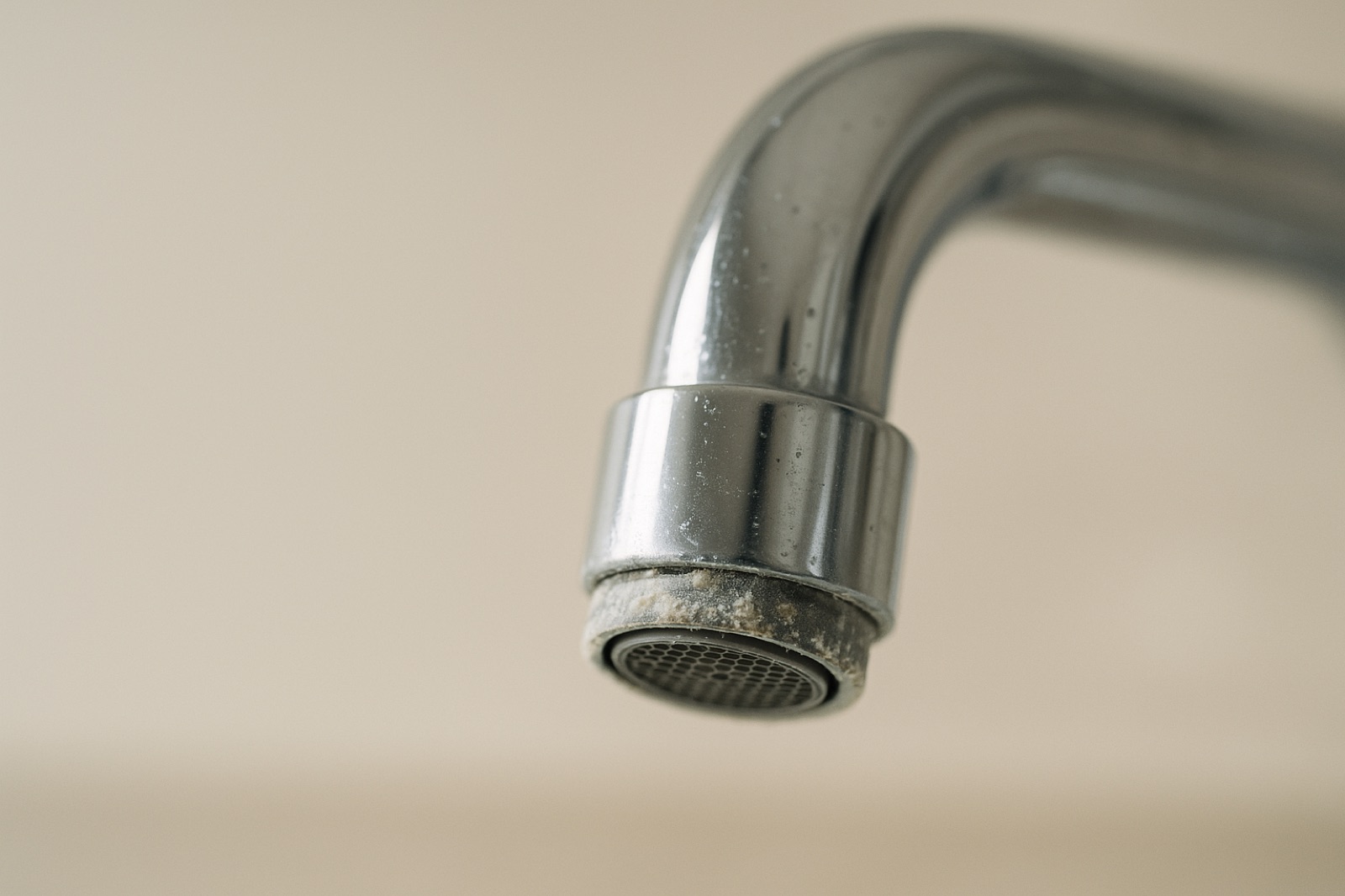
Start by separating hardness symptoms from possible water quality concerns. White crust around faucets, spotting on glassware and soap that is difficult to lather can point toward hardness. A softener is designed to address hardness minerals, usually calcium and magnesium.
Unpleasant taste, chlorine odor, sediment or concern about a specific contaminant points toward filtration. However, appearance, taste and odor cannot identify every contaminant. Clear water can still require investigation, while harmless minerals can create noticeable stains or scale. Symptoms help you choose tests, not equipment.
Gate 2: What do the test results say?
If you use public water, begin with your utility's current water quality report, then consider a tap test when you need information specific to your home or plumbing. Private well owners need testing that reflects the well, local conditions and any recent change in taste, odor, color or nearby activity.
Look for an actual hardness result, commonly reported in grains per gallon or milligrams per liter. For filtration, identify the named substance and its measured level. Do not accept a recommendation based only on a salesperson's description of your water as bad, dirty or unhealthy.
Gate 3: Which treatment matches the result?
| Decision factor | Water softener | Whole-house filter |
|---|---|---|
| Primary job | Reduce hardness minerals | Reduce specified substances throughout the home |
| Best evidence | Measured hardness plus scale symptoms | A test result or clearly defined taste, odor or sediment problem |
| What it does not prove | That contaminants are being removed | That hardness will be reduced |
| Typical upkeep | Salt or other regenerant, cleaning and settings checks | Cartridge, media or backwash maintenance, depending on design |
| Budget question | What will salt, water use and service cost? | How often is replacement media needed, and what does it cost? |
If hardness is the only confirmed problem, a softener may be enough. If a particular substance is confirmed, choose filtration designed and independently certified for that reduction where an applicable certification exists. If you have both problems, you may need both technologies in a planned sequence. If testing finds neither, you may not need a whole-house system at all.
Gate 4: Can you maintain it?
The right equipment on paper can become the wrong purchase if its upkeep does not fit your household. Ask how often you must add salt, replace cartridges, sanitize components or schedule service. Confirm whether the system needs a drain, electricity or adequate flow for cleaning cycles. Also ask what happens to water pressure as filters collect material.
Maintenance claims should be specific. Get replacement intervals, part prices and service responsibilities in writing. A lower purchase price can lose its advantage if proprietary filters are expensive or difficult to obtain.
Gate 5: Does the full cost make sense?
Compare more than the equipment price. Include installation, plumbing changes, testing, consumables, water used during regeneration or backwashing, expected service and warranty limitations. Then compare that total with the cost of treating only the water you drink and cook with. Whole-house treatment is useful when the problem affects the whole house, but it can be unnecessary when the concern exists at one tap.
Your final path is simple: document symptoms, test the water, match each confirmed issue to a treatment method, check the maintenance burden and compare total ownership cost. Once the client URL is available, this is also the natural point to request a system assessment. Until then, keep that phrase unlinked rather than sending readers to an unverified destination. The goal is not to buy the most equipment. It is to solve the problem your results actually show.