Water treatment shopping often begins backward. You see a softener, carbon filter, sediment filter, or reverse osmosis system, then try to decide whether that equipment matches your house. A clearer approach is to name the result you want first.
That distinction matters even as water utilities adopt more sophisticated tools. In its report on digital transformation for water utilities, Water Finance and Management says systems such as SCADA, GIS, asset management, and smart metering are now standard in many operations. Better utility information can support better system management, but it does not tell you which treatment belongs in your kitchen, basement, or well house. Your decision still depends on the symptom, the test result, and where you need improvement.
Here is a homeowner-first way to make that decision without expecting one device to solve unrelated problems.
Start with the result, then choose the treatment category
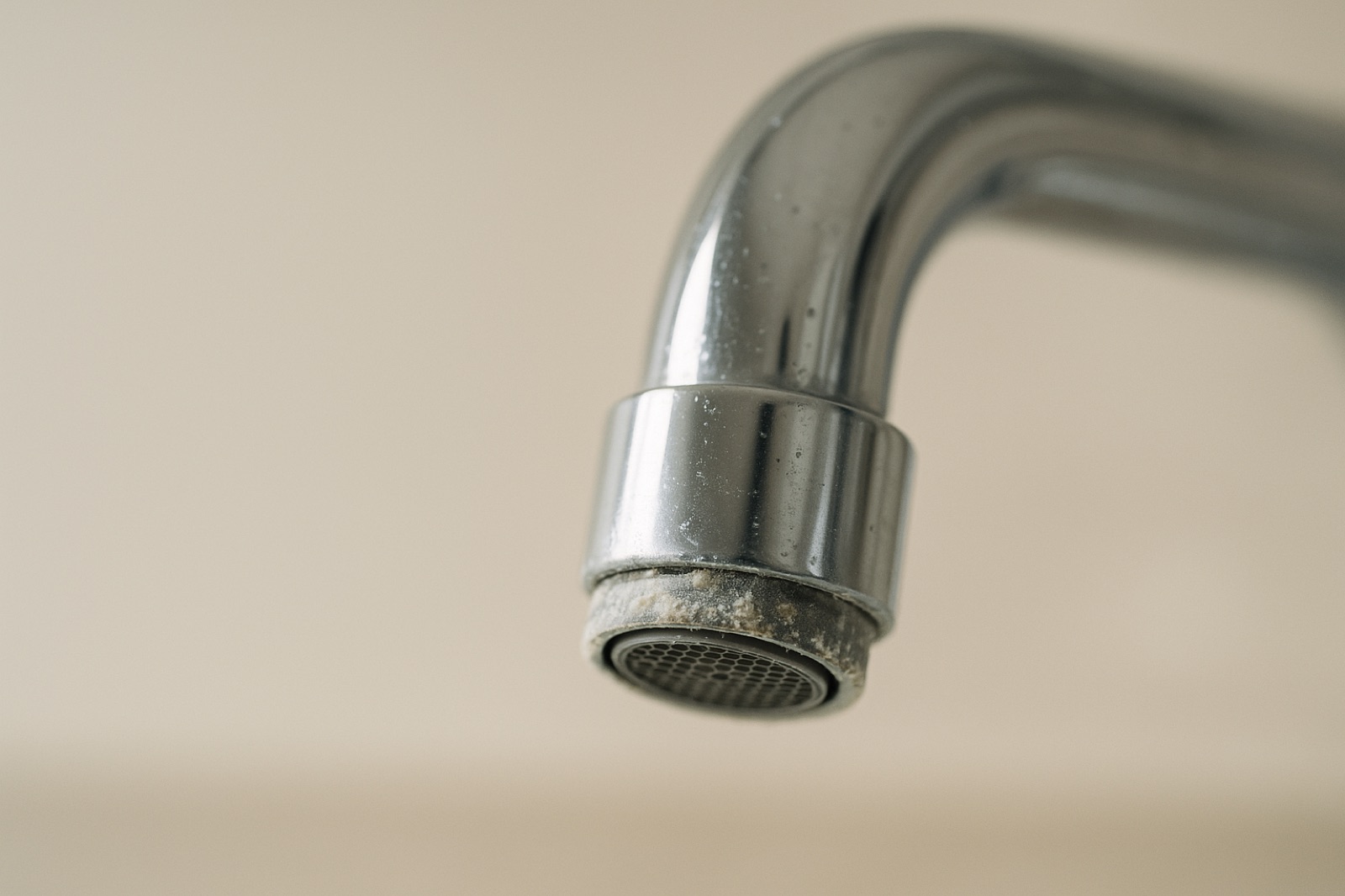
Scale: If your main complaint is crust on fixtures, mineral buildup in a kettle, or repeated scale inside water-using appliances, begin with a hardness test. A conventional ion-exchange softener is designed to reduce hardness minerals throughout the house. A general drinking water filter is not a substitute unless its specifications explicitly address hardness.
Taste: First determine whether the taste occurs at every tap, only at one faucet, or only in hot water. If it is limited to one location, inspect that faucet and its existing cartridge before planning whole-house equipment. If the taste is present throughout the cold-water supply, testing and a treatment claim matched to the identified cause are more useful than guessing from taste alone.
Odor: Compare hot and cold water and note whether the smell appears after water has been sitting. That pattern can help you decide whether to investigate the incoming supply, plumbing, water heater, or a single fixture. Do not assume a softener will remove an odor merely because both problems occur in the same house.
Staining: Record the color, location, and speed of return after cleaning. Orange, dark, blue-green, and chalky deposits should not be treated as interchangeable clues. A laboratory result can help identify what is present, while a plumbing inspection may be appropriate when the pattern points to corrosion or a localized fixture problem.
Contaminants: If your concern is a named contaminant, choose the test before the device. Then compare the result with each product's certified reduction claims, operating limits, cartridge schedule, and installation location. Neither clear water nor pleasant taste proves that a contaminant is absent.
A practical softener-versus-filter matrix
Choose a softener first when testing confirms hardness and your goal is to reduce scale across the home.
Choose a filter first when testing identifies a substance that a specific filter is certified to reduce, or when a verified taste or odor issue matches the filter's stated purpose.
Consider both when you have two confirmed problems, such as hardness throughout the house and a separate drinking-water concern. The systems should have distinct jobs, not overlapping promises.
Choose neither yet when the symptom is confined to one fixture, appears only in hot water, began after plumbing work, or has not been connected to a test result. Inspection, cleaning, or a targeted repair may be the more sensible first step.
Use this testing checklist before requesting quotes
Write down whether you receive municipal water or use a private well. Photograph deposits and stains before cleaning. Compare hot and cold water. Check at least two taps. Note when the issue began and whether plumbing, appliances, or water sources changed. Gather any utility water-quality report available to you, but remember that conditions inside your home can differ from conditions at the utility.
Next, list the exact questions the test must answer. Hardness, a nuisance odor, visible sediment, and a named contaminant are separate questions. Ask the laboratory or testing provider what the sample can establish and what it cannot. If you want help connecting household symptoms to suitable tests, Jones Air & Water offer free in-home water tests.
Finally, require every proposal to state the problem being treated, the supporting result, the treatment method, the installation point, ongoing maintenance, and how performance will be checked afterward. That makes competing quotes easier to compare.
Why this decision guide matters
The Home Water Report has recorded 3,226 page views, 1,068 visitors, 1,265 search crawls, and 2,891 AI crawls. No assist or CRM data was supplied, so those figures show attention, not purchases or treatment outcomes. What they do reinforce is the need for a clear answer to a recurring homeowner question: softener or filter?
The honest answer is sometimes one, sometimes both, and sometimes neither. Let the result you need define the job. Then use observations and testing to decide which equipment, if any, deserves a place in your home.