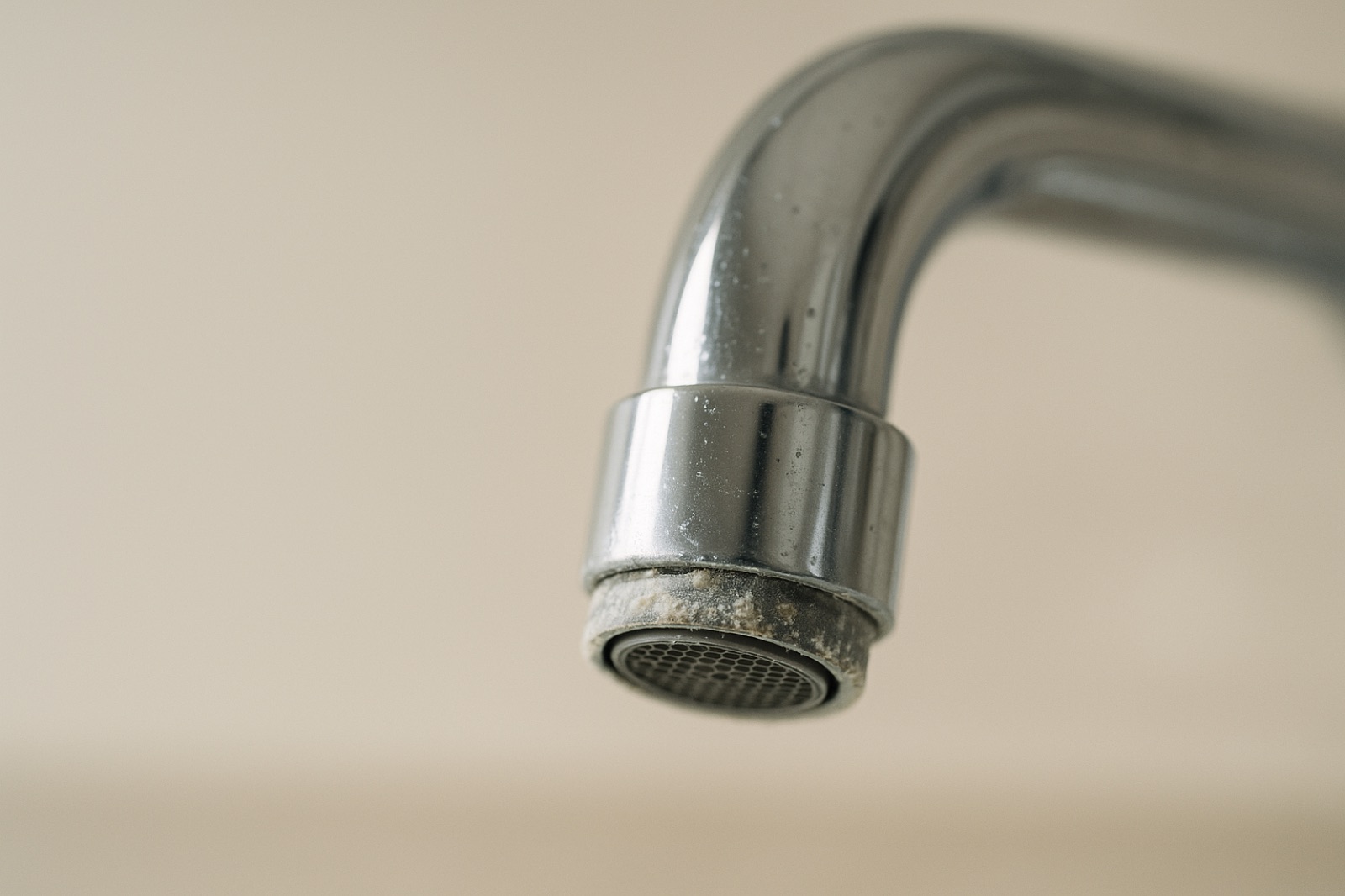
A hot tap is one of the few household readings you can take with an inexpensive tool and a minute of patience. Your hand is a poor instrument. It tells you the water feels warm, not whether it is warm enough to clean with or too hot for a child in the tub. A simple test with a thermometer gives you a number you can write down, compare with later readings, and act on.
Start With the Heater Setting
Find the temperature dial on your gas or electric water heater, or the setting listed in the manual if the dial sits behind a panel. Write down what it says. If you cannot find a dial, the manual or the installer's paperwork will list the factory setting, and that is the number to start from. Do not change the setting as part of this test. You are measuring first.
Run the Test the Same Way Each Time
Pick the hot tap furthest from the water heater, usually a bathroom tub or a utility sink, since cooling in the pipes shows up most there. Let only the hot side run for about a minute, then place a probe thermometer in the stream or fill a cup and read it. Repeat on a second day at the same hour so you compare like with like. Shower temperatures can differ from the faucet reading, so test the shower separately if anyone in the house uses it heavily.
Use one scale, Fahrenheit or Celsius, and keep it the same across your log. Mixing scales is the most common reason a homeowner thinks a reading jumped when it did not.
Read the Results as a Range
After three or four readings, look at the spread rather than any single number. If the hot tap stays steady and matches the range listed in your heater manual, the system is behaving. If readings climb or drop by a wide margin between tests, change one thing at a time before you call for service. Re-check the dial, confirm the test point, and run the test at the same hour. Note any hot water complaints from family members, since people often notice a change before a thermometer does.
Why Heat Matters Beyond the Water Heater
Hot weather changes more than the outdoor air. Indoor rooms warm up, people turn the thermostat down and run cooler water, and the heater may work harder during the day to hold its tank at the set point. If your readings drift during a heat wave, check the heater and any mixing valve before you assume the problem lies elsewhere.
Heat is also in the news. The Guardian reported on November 21, 2026, on prisoners testifying about heat indexes inside a concrete facility in Florida, a case the article presents under the label "Hell dorm". That story is a lawsuit about a state institution, not household plumbing. It is a reminder, though, that thick masonry and sealed rooms hold heat in ways a homeowner can feel and sometimes measure. If your home has heavy masonry walls or a room that never cools off, add a room thermometer to your log beside the tap reading.
What to Write Down
Keep a one-page log on the refrigerator or in a notes app. Record the date, the time, the outdoor high if you know it, the heater setting, the tap reading, and any notes such as a repair, a new tenant, or a stretch of houseguests. After four or five weeks, you will see a pattern. A steady reading that suddenly rises or falls is worth a call to a licensed plumber, because adjusting a water heater thermostat or installing a mixing valve is professional work.
What the Test Cannot Tell You
Treat the tap test as a measurement of temperature only. The thermometer shows what the water is doing, not whether it is safe to drink, and it cannot detect bacteria or metals. For those questions, use a certified lab test. If a reading seems too hot for comfort, lower the heater setting only after you have confirmed the current number, and ask a plumber about a thermostatic mixing valve at the fixture if the problem continues.