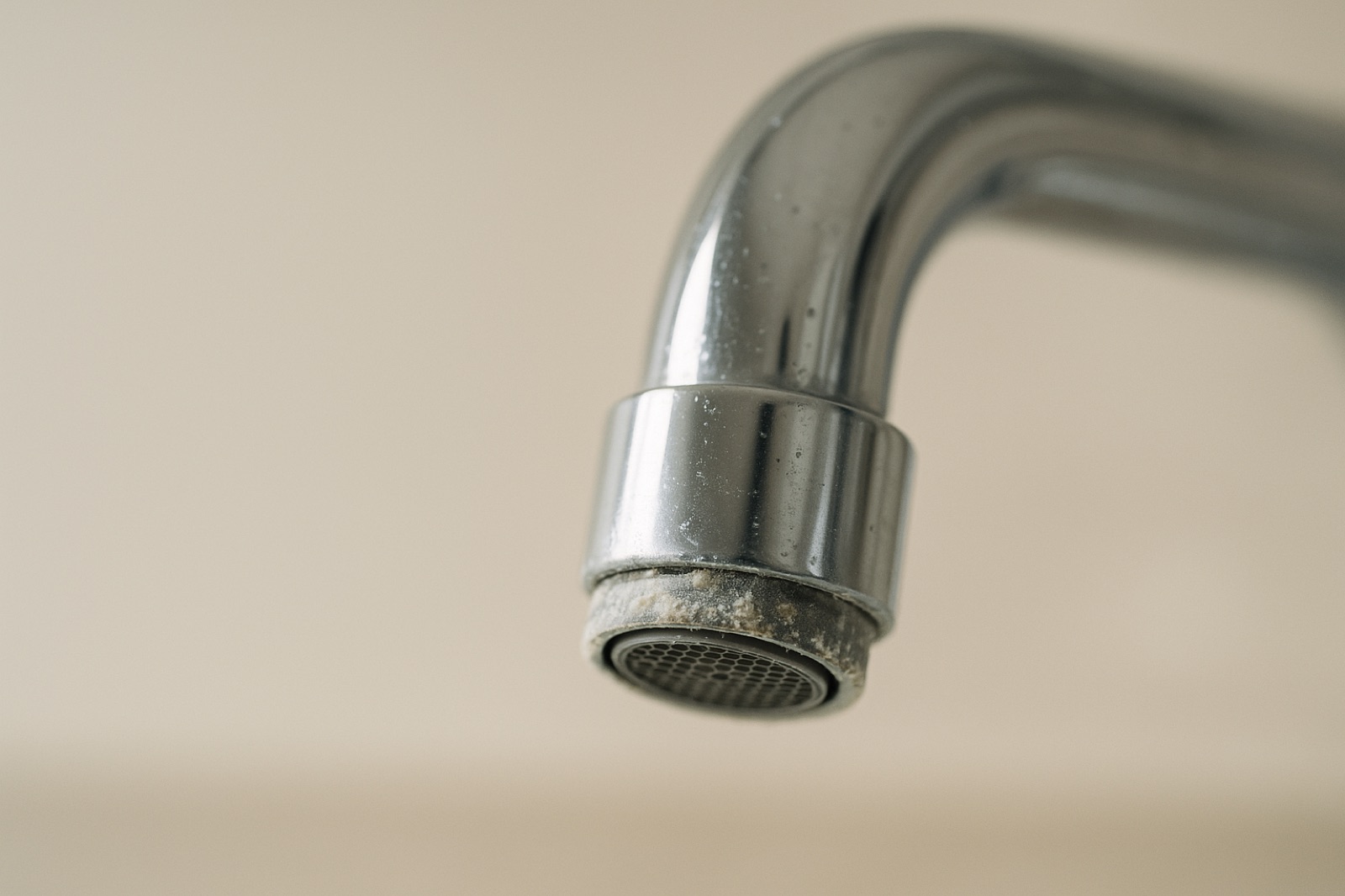
Your home’s water is one of the most vital resources you rely on daily, yet it often goes untested or overlooked. Understanding the importance of home water testing is crucial, especially in today’s changing climate. With increasing concerns about contaminants and pollutants, knowing what is in your water can help you make informed decisions about your household’s health.
Why Test Your Water?
Water quality can fluctuate due to various factors, including environmental changes, aging infrastructure, and nearby agricultural practices. For instance, recent reports confirm that climate shifts are affecting various ecosystems, including water bodies. In a piece by The Guardian, it was highlighted that California is experiencing its highest shark numbers in years due to the El Niño climate phenomenon. While this particular story focuses on ocean life, it serves as a reminder that our water systems can also be impacted by climate change and human activity.
Testing your water allows you to identify potential contaminants such as bacteria, heavy metals, and chemicals that can affect your health. This is particularly important if you rely on well water or live in an area where water quality issues are known to occur.
Types of Water Tests
There are several types of tests you can conduct, depending on what you suspect might be an issue:
- Bacterial Testing: This test checks for harmful bacteria such as E. coli. It is essential, especially for well water users.
- Heavy Metals Testing: Tests for lead, arsenic, and mercury can help determine if your water supply is safe, particularly in older homes with aging pipes.
- Pesticide Testing: If you live near agricultural areas, testing for pesticides can alert you to potential contamination.
- pH Testing: This measures the acidity or alkalinity of your water, which can affect not only taste but also the longevity of plumbing.
How to Get Started with Water Testing
To start, you can purchase a home water testing kit from a local hardware store or online. These kits typically include easy-to-follow instructions for collecting samples. If you prefer a professional assessment, many local health departments and environmental agencies offer water testing services.
Collecting samples correctly is crucial for accurate results. Make sure to follow the instructions provided carefully. After sending your samples to a lab, you will receive a detailed report outlining any contaminants detected.
What to Do After Testing
If your test results show contaminants above safe levels, it is essential to take action. Depending on the specific issue, possible solutions may include:
- Installing a Filtration System: Many water filtration systems can effectively remove specific contaminants, improving your water quality.
- Using Bottled Water: For immediate needs, you may choose to use bottled water until you resolve the issues with your home's water supply.
- Contacting a Professional: If the problems seem severe or complex, it could be worth consulting a water treatment professional for tailored solutions.
In a world where climate change and pollution are increasingly prevalent, vigilance about your water quality is more important than ever. As we see in discussions around environmental activism and accountability, such as the ongoing legal battles detailed in another The Guardian article, being proactive about the safety of your resources is a responsibility we all share.
Ultimately, testing your water is a simple yet powerful step toward protecting your family’s health and well-being. It empowers you to take control of your home environment and ensure that you are consuming safe drinking water.