As climate change continues to reshape our environment, the quality of our water supply is increasingly under threat. From saltwater intrusion affecting agricultural areas in Gambia, as reported by Circle of Blue, to the growing visibility of contaminants in urban water supplies, homeowners must be proactive in assessing and improving their water quality.
Understanding Water Quality Issues
Water quality can be compromised by a variety of factors, including environmental changes, industrial waste, and aging infrastructure. As a homeowner, it is vital to recognize these potential hazards and take steps to ensure your family has access to clean, safe water.
Testing Your Water
The first step in addressing water quality is testing. There are several ways to assess your home’s water:
- Home Testing Kits: These kits are readily available and allow you to test for common contaminants like lead, chlorine, bacteria, and hard water. They are user-friendly and come with instructions for obtaining water samples.
- Professional Testing Services: For more comprehensive analysis, consider hiring a professional service. They can test for a broader range of pollutants and provide insights into your specific water quality issues.
Whether you choose a home testing kit or a professional service, regular testing will help you stay informed about your water quality. Many experts recommend testing at least once a year, or more frequently if you have specific concerns.
Common Contaminants and Their Sources
Understanding what you might find in your water can help you address specific issues more effectively. Some common contaminants and their sources include:
- Lead: Often leaching from old pipes, lead can pose serious health risks, especially to children.
- Nitrates: These can enter water supplies through agricultural runoff, particularly in areas with intensive farming.
- Chlorine: Used as a disinfectant, chlorine can sometimes leave an unpleasant taste and odor.
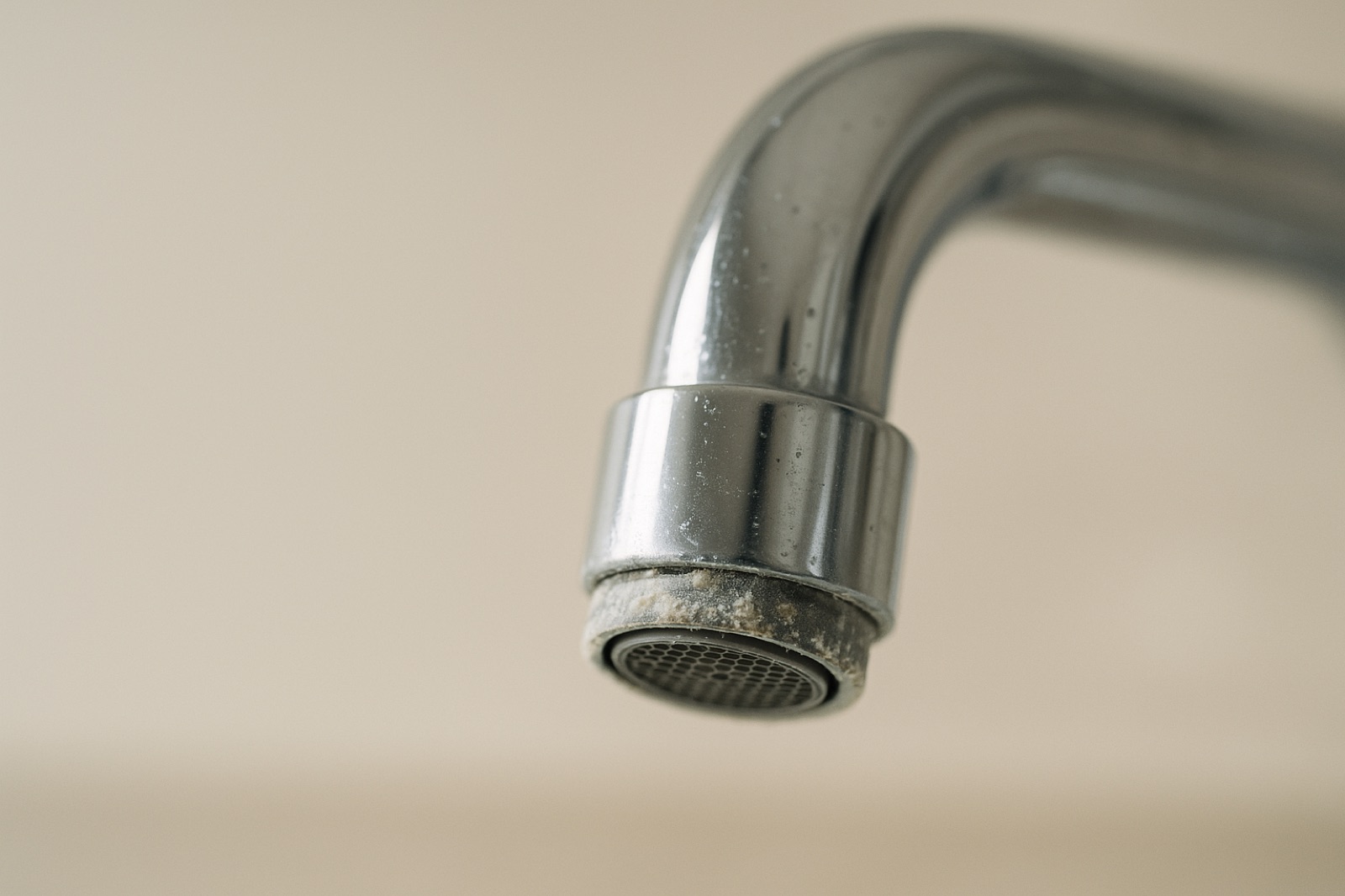
- Hard Water: High mineral content can lead to scale build-up in pipes and appliances.
Responding to Water Quality Issues
Once you have tested your water and identified contaminants, the next step is remediation. Here are some common solutions:
- Filtration Systems: A variety of filtration systems are available, including activated carbon filters, reverse osmosis units, and UV purifiers. Each has its strengths and is suited for different contaminants.
- Water Softeners: If hard water is your issue, consider installing a water softener to reduce mineral content and extend the life of your plumbing.
- Regular Maintenance: Keep your plumbing systems and appliances well-maintained to prevent issues from arising.
Staying Informed and Engaged
As noted in environmental reports, such as the one from The Guardian, changes in our climate can have far-reaching impacts on local ecosystems and water supplies. Staying informed about these changes can help you make proactive decisions about your water quality.
Your home is your sanctuary, and ensuring the water you use daily is safe and clean is essential. By understanding water quality issues, regularly testing your water, and taking appropriate actions, you can safeguard your family’s health and well-being in our evolving environment.