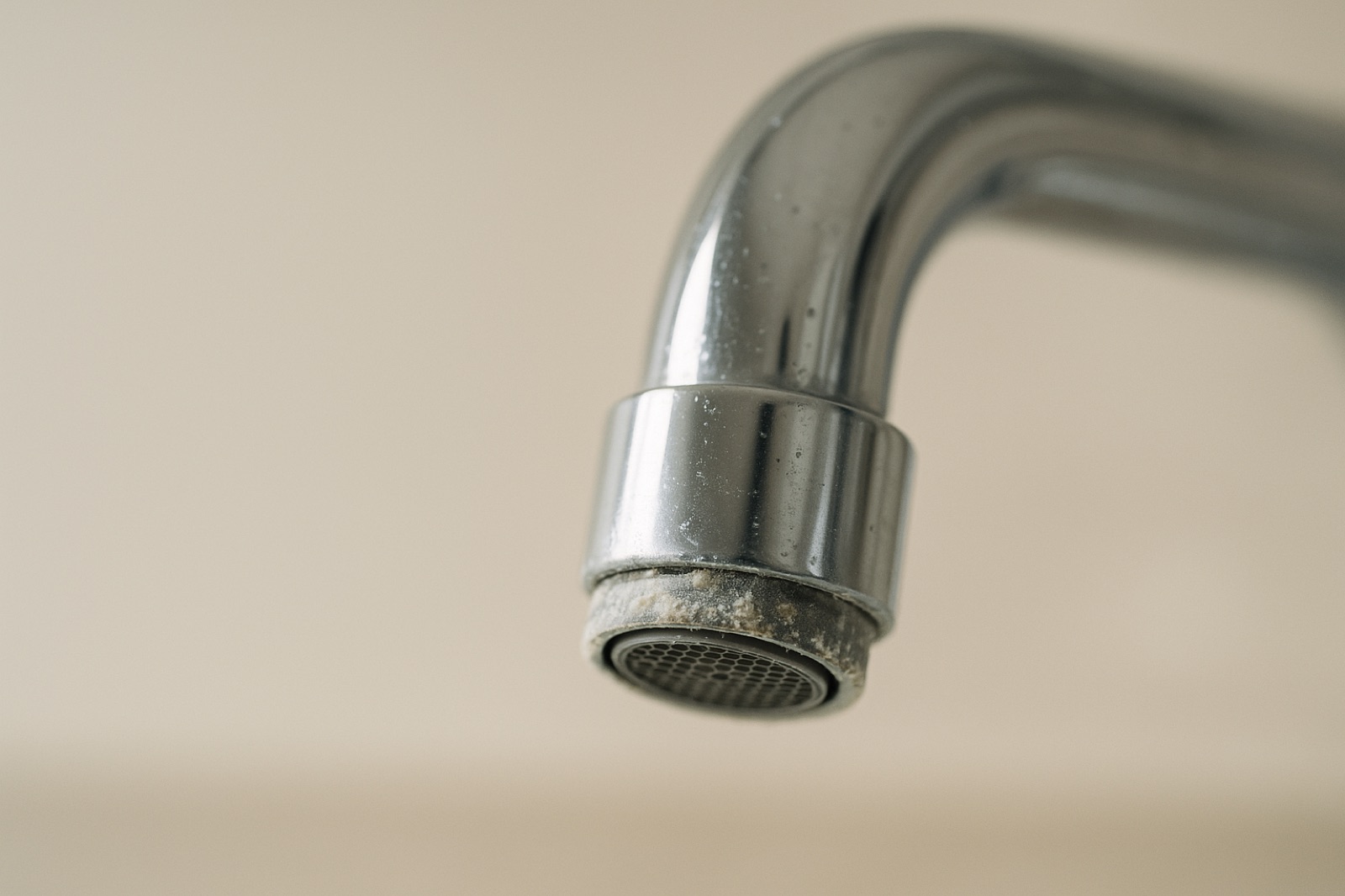
As a homeowner, you might not think about the quality of your water until a problem arises. However, ensuring that your household water is safe and clean is crucial for your health and the environment. This is where water testing and filtration systems come into play.
Why Testing is Essential
Water testing allows you to determine what is in your water supply and whether it meets safety standards. Many homeowners are unaware that contaminants can lurk in their water, ranging from bacteria to heavy metals. For instance, recent reports about PFAS, often referred to as "forever chemicals," highlight significant concerns. In Ontario, North Bay has been identified as a hotspot for these contaminants, prompting local residents to demand answers and solutions from officials. The article by Circle of Blue discusses the alarming presence of PFAS in North Bay, stating, "federal officials told hundreds of concerned citizens how they planned to remediate longstanding contamination of the city’s waterways" descriptive anchor.
Understanding Contaminants
Knowing which contaminants are present in your water is the first step in addressing the issue. Regular testing can help you detect harmful substances like lead, nitrates, or bacteria. You can either send samples to a laboratory or use at-home testing kits for a more immediate result. However, for comprehensive testing, especially for complex contaminants like PFAS, professional services are recommended.
Choosing the Right Filtration System
Once you know what is in your water, the next step is selecting a filtration system that meets your needs. There are several types available, each designed to target specific contaminants. For example, activated carbon filters are effective at removing chlorine, sediment, and volatile organic compounds, while reverse osmosis systems can eliminate heavier contaminants including lead and certain pesticides.
As highlighted in another article from Circle of Blue, the ongoing challenges related to water quality in various regions underscore the importance of effective filtration systems. The Colorado River, crucial to many states in the West, is facing severe water quality issues due to a combination of climate change effects and pollution. Local managers are choosing partnerships to tackle these problems, showing how collaboration is important in safeguarding water resources descriptive anchor.
Long-Term Benefits of Filtration
Investing in a water filtration system not only enhances the quality of water consumed but can also lead to long-term savings by reducing bottled water purchases and safeguarding your plumbing system from buildup caused by hard water or contaminants. Moreover, cleaner water contributes to better health outcomes, making it a worthwhile investment for any homeowner.
Taking Action
Understanding the importance of testing and filtration is crucial, especially in light of recent environmental challenges. With growing awareness of contaminants like PFAS, it is vital to be proactive. Regularly testing your water and investing in appropriate filtration systems can help ensure that your home has access to clean, safe water.
In summary, the safety and quality of your water supply play a significant role in your overall health. By taking the initiative to test and filter your water, you can protect your family and contribute to a broader movement towards cleaner water sources.