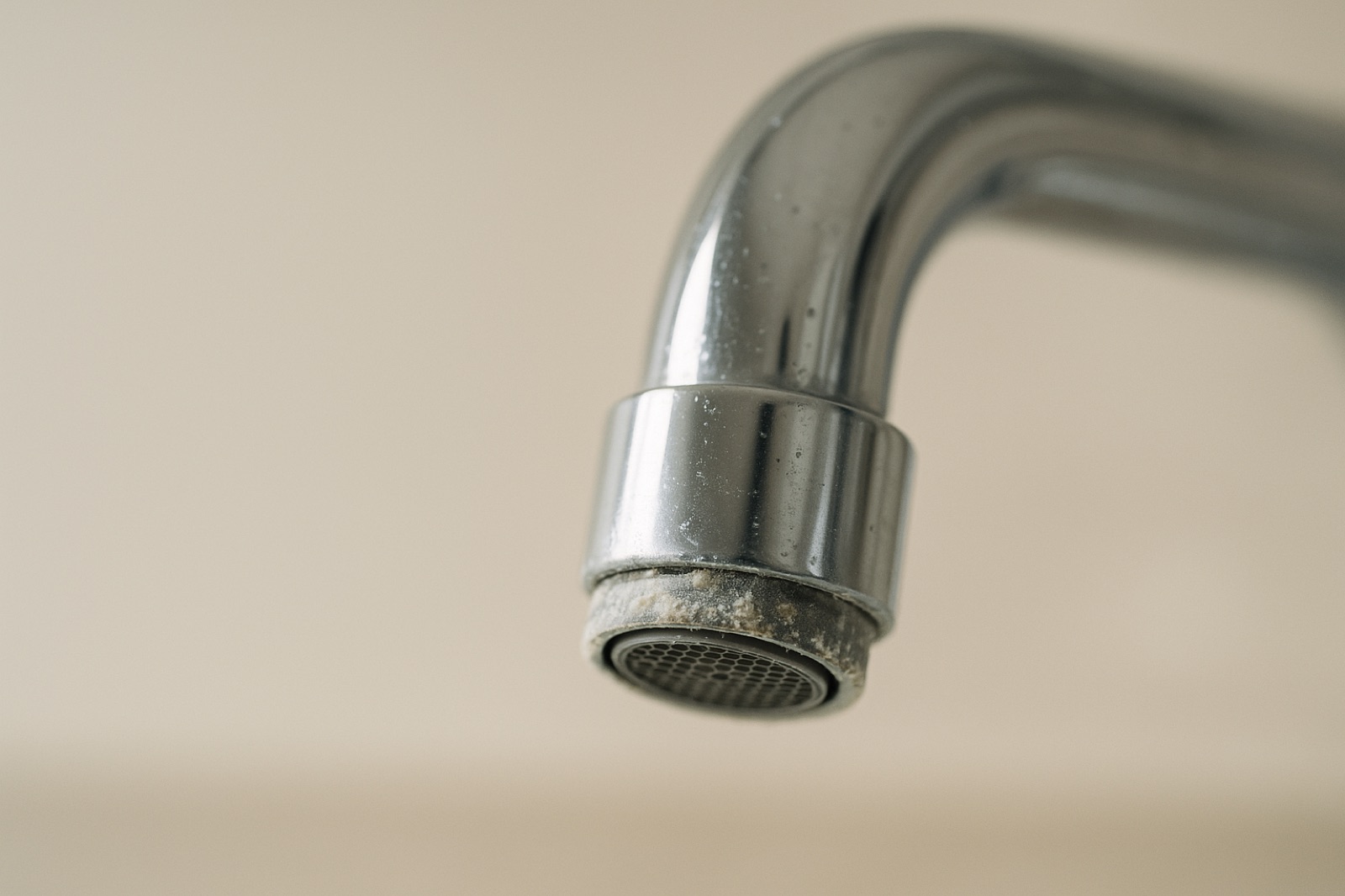
As climate change continues to shape our environment, one significant impact homeowners may notice is the quality of their water. Extreme weather events, rising temperatures, and pollution are all factors that can affect the water we rely on for drinking, cooking, and cleaning. It is essential to understand the importance of water filtration systems to ensure that your home’s water supply remains safe and clean.
Understanding Water Filtration
Water filtration systems are designed to remove impurities, contaminants, and potential toxins from your tap water. These systems can range from simple pitcher filters to complex multi-stage home filtration units. Investing in a reliable filtration system tailored to your home’s needs can have a profound impact on the quality of your water.
The Effects of Climate Change on Water Sources
Recent reports indicate that climate change is already affecting freshwater availability and quality. For instance, an article in Circle of Blue highlights how saltwater intrusion is becoming a pressing issue in Gambia due to rising sea levels. This phenomenon not only threatens agriculture but also contaminates drinking water supplies. While Gambia is far from most American homes, it serves as a reminder of how interconnected our water issues are globally.
Why You Should Consider Filtration
With the potential for more frequent contaminations stemming from both natural disasters and human activity, homeowners must prioritize their water filtration systems. Many households rely on municipal water supplies, which are often treated to remove a variety of contaminants. However, those systems can sometimes fall short, particularly as pollutants evolve and new contaminants emerge.
Choosing the Right Filtration System
When selecting a filtration system for your home, consider the specific contaminants you want to remove. Common household water impurities include chlorine, lead, sediment, and bacteria. A water test can help you identify which contaminants are present in your supply, making it easier to choose the right system. For many homeowners, a reverse osmosis system could be an ideal solution, effectively removing a wide range of impurities.
Staying Informed
As climate change progresses, it is important to stay updated on local water quality reports and any emerging issues that may affect your supply. Knowledge is empowering, and being proactive about your water quality can save you from potential health risks in the future. Regular testing of your water and keeping up with local environmental news will help you stay ahead.
Conclusion
In a world where water quality is increasingly at risk, having a reliable filtration system is more essential than ever. By investing in your home’s water filtration needs, you can safeguard your family’s health and ensure that your water supply remains safe and clean. For guidance on choosing a filtration system, consider exploring options available through Reverse Osmosis STL. Protect your home, your family, and your health by making informed decisions about your water filtration needs.